How Chi Nei Tsang Found Me

o you might wonder “how does it work?”

It was believed that CNT was developed by ancient Taoist sages who through their meditation and internal practice observed that energy blockage created tangles and knots in the abdomens, which in turn, created more blockages. What could cause these energy blockages?  Negative emotions such as fear, anger, hatred, anxiety and depression, bad postures, diet, stress, overwork, accidents, surgeries, toxins, unhealthy lifestyle… Unfortunately, these all seem too common in today’s world.

And these sages discovered that by directly working or massaging around the navel centre which is where every life begins, they could detoxify and tone the organs, remove knots and tangles, and allow chi to flow better.

According to Taoism, each internal Organ has its own set of characters. Each one corresponds to one of the five fundamental elements, harbour a particular pair of positive/negative emotion, process a particular mental aspect, has its own energy pathways that course through the body (i.e. meridians), possesses a particular taste, colour and sound, just to name a few. And when we talk about Organ in Chinese Medicine, we are talking about an organ network of function, not just an anatomical organ as it is depicted in the Western medical system (hence the capital O to differentiate). Therefore when we detox and tone the Organs and bring these networks into harmony, it could result in wellbeing on so many levels.

As a movement teacher who works with physically and mentally healthy people and other healthcare professionals on a regular basis, I was fascinated by what gap CNT could fill where other methods can’t. Throughout the years I have seen people and myself having spent so much time and money on treatments that only target the “muscles and bones” or expensive and invasive surgical interventions (which usually cause more harm than good down the road) but not get any better. Not to mention the emotional strain and financial pressure these chronic pains entail.

My “gut feeling” of Organs playing a big part in these chronic issues that aren’t healed by purely musculoskeletal therapies was affirmed by Master Mantak Chia in his book Chi Nei Tsang –

“Muscles are like backup tanks. When the organs become overloaded with negative emotions or toxins, they unload their energies into the muscles. When you have problems in the organs, you will feel aches and pains in your muscles. “

This is NOT to say musculoskeletal therapies aren’t effective. Far from that. What I’m suggesting is that if there are chronic issues that just won’t go away no matter how many massages, physical therapies or even surgeries you have done, it’s worth taking care of the organs with CNT. And CNT do effectively and directly target an important muscle which was nicknamed the “muscle of the soul” by some traditions, the only muscle that connects the spine and the lower limbs and is located at the centre of our core – the Psoas.

The “almighty” psoas is surrounded by some important structures of our body – our internal organs, the spine, the aorta, the vena cava, solar and lumbar plexi, large concentration of lymph nodes, the femoral arteries, ilioinguinal & genitofemoral nerves, the hip joint, the diaphragm (with their tissues basically blended together) etc. Also including the different muscles there, it makes the abdomen a complex area with great wellness potential and equally great possibility for complication. This topic worths another blog post for some other day so I will just leave it at that for now.

We should all be free from pain. When we are in harmony and in vibrant health – our most natural state, we shouldn’t experience disease and suffering. If you feel CNT might resonate with your “gut” and your “heart”, ring us at Balance Health and try out a session!


Anxiety, Depression and Stress – Consequences and Solutions Unveiled

America is facing an epidemic of staggering proportions, not one of physical illness or visible disease, but the mental struggles of chronic anxiety, depression and stress. 1 in 10 Americans currently take anti-depressant medication, but worse yet, the issue isn’t contained within the US. In fact, an estimated 121 million people struggle with depression globally. The problem only seems to be getting worse with the millennia, as the number of diagnoses has doubled in the past five years.

1. Stress:

Depending on your mindset, stress can either hinder or encourage motivation in your everyday life. Unfortunately contemporary stress often debilitates and distresses, but BodyTalk seeks to promote this healthy approach to acute stress.

2. Anxiety:

Similarly to stress, anxiety, when approached with the right mindset can act as a catalyst to problem-solve in otherwise strenuous situations. However, escalating levels of anxiety can swamp and cloud your rational judgement.

3. Depression:

The black dog trails closely behind anxiety and it is often said that the two, depression and anxiety, come hand in hand. Both are contrived from the same neurological mechanism of the brain which result in the ‘ups’ and ‘downs’ of our lives. Depression is a looming mood disorder which casts a continuous sense of hopelessness, sadness, and disassociation.

All three of these emotional disorders are associated with physical symptoms such as:

– Exhaustion
– Weight loss or gain
– Digestive problems
– Pain in the back, muscles, joints, and chest
– Headaches

So what can be done about this relevant and relatable issue?

The BodyTalk system caters to specific needs, with each individual treatment personalised in a unique, non-invasive manner. By making use of the recognised connection between the mind and body, BodyTalk analyses the powerful emotions, beliefs, memories, expectations, events, and environmental triggers and their effect on any one of your 30 trillion cells. Approaching the issue from below the surface quickly reveals the attributing causes affecting your nervous system within your everyday life, tackling these debilitating disorders through supportive means.

Anxiety and depression come about as a result of a complex mixture of factors, including genetics, brain chemistry, personality, and life events. To assess and learn of these influences, a BodyTalk practitioner analyses your body through neuromuscular biofeedback. Other techniques such as Cellular Repair, may assist to counter the influence of a genetic predisposition towards emotional and mental disorders such as anxiety and depression. A Body Chemistry balance can be extremely effective in maintaining chemical intolerance, hormonal imbalances or toxicity, all of which play a part in a volatile, over-reactive bodily system.

Emotion, in protein form of neuropeptides, can possibly be stored within the body tissue. These neuropeptides can be triggered by a range of environmental stimuli, including a stressful home or workplace. BodyTalk recognises that unresolved concerns, fear and sadness, when provoked by a situation or memory, can prompt a physiological response which will result in a distressed reaction from the brain, as though the discomforting event were repeating itself. This mechanism can work against yourself, contributing to both chronic and acute anxiety. By employing BodyTalk techniques such as Active Memory, a BodyTalk practitioner can work with the patient’s body to disassociate, neutralise, and release emotions that have been stored within the connective tissue.

Even the most subtle of reactions can reveal unexpressed emotions. Through BodyTalk, the overarching aim to understand the story behind the symptom, the meaning behind the meltdown, will guide you to a new mindset and approach to these emotional disorders.

To book a session with Angie, please call us: +852 2530 3315 or send us an email: appt@balancehealth.com.hk

What is a relationship?

We are all paint cans, and our life is our Canvas.

Before I go into talking about relationships, ask yourself how you define a relationship?

Although you may have all included another person as part of the answer to that question, the most important relationship you will have in your lifetime, is the relationship with yourself. Any connection you form will stem from the relationship with your inner being. Through a combination of your environment and your innate disposition you develop your internal narrative of stories you tell yourself and ideas you believe about yourself. The respect you hold for yourself is your opinion of your self worth and value, and thoughts of what you believe others perceive you as. These opinions you have of who you believe to be are reflected to the outer world. It affects the people you attract and in turn the interactions you experience with them.

“I’m not what I think I am. I’m not who you think I am. I am who I think you think I am” – George Cooley

Yup…if someone bumps into you and spills your coffee, or the server at the restaurant decides to give you a complimentary dessert, these are all interactions that you created by what energy and thoughts you put out. When you feel happy and believe that you have everything you need to continue improving, enjoying, and growing through life, one can say that you feel “Complete”. You hold a sense of being whole and thus you won’t go seeking validation from somebody else. This positive relationship with yourself results in you feeling happy with who you are and most importantly in feeling complete. Thus any interaction with another human being will be one that is complementary for you. You will attract and match up with others who also feel the same. Two complete individuals come together to share what they have to offer, rather than depend on what the other can give them.

This is the key to healthy and flourishing relationships. When you have so much love for yourself that it has no choice but to ooze out and infect others, you will be able to feel the happiness and joy that comes with the art of living.

On the other spectrum, when you feel like you need someone to make you feel happy, or to boost your self esteem, or to berrage you with gifts to feel loved, you are seeking someone to fill a void. You are engaging with another to help you feel complete. When coming into interactions with others from a point of scarcity, you will often match with someone who is also incomplete, or with someone who will soon feel empty as they are overly giving. Those who feel so full and always give will soon find it is not sustainable, and soon will find themselves depleted and drained.

So think of yourself as a paint can, and your life is your art canvas. You are born with a color of paint, and you are like a can of paint that is initially full with that color you are born with. As you go about becoming a participant in life, your immediate family, such as your mother and father, create the first of many relationships. They too are a can of paint, with a color of their own. When a bond is formed between two people, each one brings a color of paint to the relationship and an additional color is added to your palate of paint to create the canvas of your life. As an example, you are born with the color red. Your mother is the color yellow, and your father is the color blue. As you come into the relationship from a point of abundance, you come into a healthy relationship and exchange of colors. Your mother provides you with some of her yellow paint, and you in return give some of your red to her. Both of you now have added the color orange to your palate of colors in addition to some yellow or red. Your father provides some of his blue paint that is constantly overflowing from his full can, so you both now create the new color of violet, in addition with blue to your ever growing colors of paint to paint your art piece on your canvas of life.

When two people that are just as complete find each other, the exchange is complementary. It is complementary in a sense that you are creating a masterpiece of a painting for your life using your own colors without a lack of paint. Yet with experiences and interactions, you can add new colors to paint with, but are never in ‘need’ of new paint. WHen you feel complete, your cans of paint are overflowing with color, and you are able to blend together and exchange your richness with others to create powerful color combinations.

In contrast, when you are not feeling fulfilled, and areas of your life are not complete by your own thoughts, actions, and accomplishments, you will be continuously running dry of paint, and feel unable to continue painting on your canvas. If your paint is not full, how are you able to give away some of your own paint color to blend and share with others?

When your can is running low, you will depend on others to provide you with paint. When you do not make it a priority to keep your paint can full and you allow your paint to go dry due to lack of self care, you will find it hard to continue painting your life’s canvas. This is when you become emotionally drained, fatigued, irritable, unmotivated and at many times lose focus and direction. You will find difficulties to add new artwork on your canvas of life, and you will either find yourself constantly draining someone else dry of their paint can, or struggling to keep your own paint cans full if you don’t take care of yourself first before being there for others.

Keeping your paint cans full and feeling complete is not always easy. You must always seek what sparks you joy inside. Then you must find yourself thinking about it, and then look for situations that bring you happiness . Discover what makes you feel good, and participate in experiences that evoke you joy. Now with a full and radiant can you are ready to exchange your colors with others that are also oozing out of their paint cans.

Emotions are contagious, and when you are in a good feeling place, you will also attract other alike. When you are radiating a plethora of colors from a place of being complete, your rainbow will be seen from miles away. So make sure you keep you paint cans full…so full that you are oozing out an abundance of colors to share with and interact with others. Be the artist of your own masterpiece of your canvas of life.

Do you want to improve your mindset and ensure your paint cans are full? Are you feeling frustrated with your current relationships or situation? A holistic approach to coaching and therapy can give you the support and guidance to help you reach your fullness. Sometimes a new set of tools in your skills box can shift your perspective and transform habits to optimize the way you feel, think and move. If you have further inquiries, or would like to set up an appointment with Astrid Merkt, please contact us at Balance Health to get you started in creating your best masterpiece of life.

This article is written by Astrid Merkt. To read her profile, please click here

To book an appointment with Astrid, please call: +852 2530 3315 or email: appt@balancehealth.com.hk 

Traditional Chinese Medicine Treatment for Uterine Fibroid

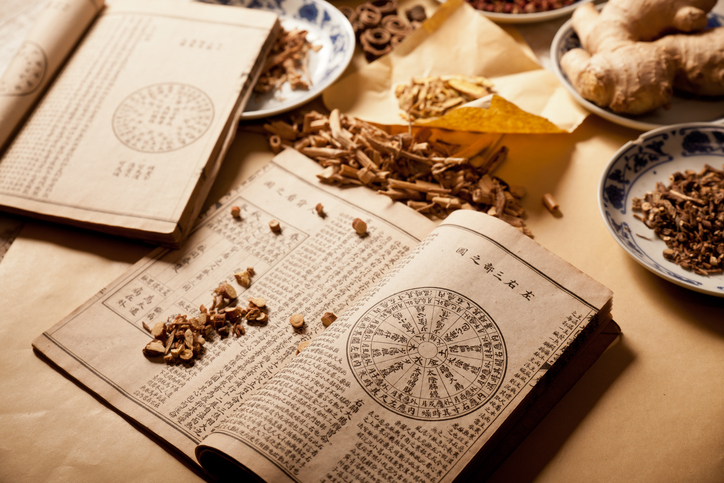
Ancient Chinese medical books in the Qing Dynasty, the Chinese herbal medicine on the table

It is rather common for women to have uterine fibroids. Western medicine tends to relate the cause to an extended period of stimulation of estrogen. Western doctors usually would treat them by removing them through a surgery if one or more grows to larger than 5cm or when they seriously affects menstruation. However, in recent years, many people have begun treating these fibroids via methods that have no side effects and without a radical treatment. Among them, Chinese herbal medicines, acupuncture and moxibustion have been very successful in controlling the fibroids’ growth and gradually reducing them.

Since uterine fibroids have no obvious symptoms, most patients only know that they have them after a gynocological exam.

Certainly, if you can find out before that you have them and treat them earlier, they can be controlled much faster.

How would you know if you have them? The following will give you a hint:

  • Short menstrual cycle
  • Increased menstrual flow
  • Prolonged menstruation
  • Irregular vaginal bleeding
  • Increased vaginal discharge
  • Abdominal swelling and a sense of falling
  • Back pain, some people will have acute abdominal pain,
  • Severe cases with fever symptoms, etc.

When they become quite sizeable, you will experience the following:

  • Frequent urination
  • Difficulty to urinate
  • Urinary retention
  • Constipation
  • Lower extremity edema
  • May also lead to infertility

Chinese medicine treatment of uterine fibroids requires an analysis of body types and a treatment prescription. The common body types are Qi stagnation and blood stasis type, phlegm and blood stasis type, and damp heat and stasis type.

Herbal medicine and acupuncture are also used as a part of the treatment. (Acupuncture points that can treat the fibroids include but not limited to Zhongji RN3, Guanyuan RN4, Uterus EX-CA1, Sanyinjiao SP6, Xuehai SP10, and Zusanli ST36.)

Traditional Chinese Medicine treats not only uterine fibroids, it also improves the overall health of a person.

This blog post is written by Dr. Grace Yu – https://www.balancehealth.com.hk/grace-yu/

How often should we step out of our comfort zone? – Astrid Merkt

Are you stuck in a routine that feels like nothing changes or improves?

Do you feel you fear situations or miss out on opportunities because of the heightened stress it may cause?

Do you really know what you are truly capable of?
Are you ready to stop surviving and start living?

Keep doing the same thing, you shall get the same results. We feel comfort in the familiar and are less anxious when we know our daily routine and habits. Our body’s physiology is tuned to always return to it’s “normal” and stable equilibrium state when a stress or change affects its internal environment. That is how it functions at its best. So certain comforts are essential, and as a species that seeks safety and regularity to survive, we tend to gravitate to things we already know.

“Comfort zone” is defined as a psychological or physical state in which we do not disrupt our regular patterns of thoughts, behaviour, and activities to minimize stress and risk.

On the other hand, we as human beings also seek change, apart from stability. Internally, deep in our soul, we have a desire for novelty, variety, and excitement. A muscle will not change its strength or mass if you do not challenge it beyond what you normally do everyday. A baby’s whole development is based on consistently trying new things and testing the unfamiliar. Their growth is exponential during these first two years of infancy due to adapting to the discomfort of new skills, thoughts, and behaviors.

So why does our curiosity and thirst for development fade as we grow older?
We are trained as a society to find distractions when confronted with uncomfortable feelings and situations rather than facing them. We even tell ourselves that we are happy just the way things are…but are you truly happy?

What we must remember is “baby steps”. Think of what awaits on the other side of overcoming that fear. Visualize and create the feeling internally of tackling that fear and trusting the joy you will experience when you see the change and improvement. We must continuously ask ourselves… Who am I becoming with what I am currently doing?

Start by finding small things daily to step out of your comfort zone …

→ FIND YOUR BASELINE STRENGTHS (where you are confident in your abilities in a task/situation)
→ USE THIS STABLE FOUNDATION AND ADD SOMETHING NEW (smile to strangers or take the stairs rather than the elevators)
→ NOW YOU STEP OUTSIDE YOUR COMFORT ZONE
→ WATCH AND MONITOR YOUR PERFORMANCE IMPROVE
→ NOW FIND YOUR NEW “HEIGHTENED” BASELINE STRENGTH (from smiles, add introducing yourself to strangers, or going for an after work walk/run)
→ FIND STABILITY FROM WHERE TO ADD AGAIN
→ NOW STEP OUTSIDE YOUR COMFORT ZONE AGAIN
→ REPEAT → CONTINUOUSLY GROW AND IMPROVE IN LIFE
→ EXPAND YOUR BOUNDARIES WHEN YOU FIND A NEW BASELINE
→ YOU ARE A WINNER!

Sometimes it’s those changes of small daily habits that create the biggest reward.

Today, many diseases and disorders root in the inability to handle stress. So if we practice daily introducing minor steps towards improvement and we face challenges as an opportunity for learning and growth, we adapt better and become more disciplined to endure hardships that may arise.

Find discipline in the small things. Stepping out of our comfort zone doesn’t mean we have to go climb mount kilimanjaro, or take a risk that is beyond our abilities.

It can be as simple as adding a practice of meditation in the morning, or starting a journal of gratitude. Both with heaps of positive benefits for our cognitive performance, ability to handle stress, and improve creativity and executive functions. Socially we can start with saying yes to that networking event rather than staying at home and watching netflix, or taking some deep breaths and choosing to react in a more beneficial manner when someone disturbs you.

We need to assess the risk and know our strengths to have a starting point to be able to add and grow from. Once we find what we are capable of, we can push the limits of our comfort and test the waters before diving into the deep end. Start that business! Sign up for that race! Travel alone!

As Marcus Aurelius quoted “Do every act of your life as if it were your last. It is not death that a man should fear, but he should fear never beginning to live.” The Japanese philosophy of Kaizen also states “continuous, incremental improvement adds up to substantial change over time.”

In need some insight on how and where to make small changes to increase your potential at work and at home? Are you ready to begin to truly live your life with fervour, joy, and direction? Astrid Merkt can help support you and guide you to creating the life that you seek using tools and skills tailored to your personal needs for growth and development.

For booking, please call: 25303315 or email: appt@balancehealth.com.hk 

Balance Health – Allergies Treatment in Hongkong

Our immune system responds to a false alarm

Achoo!” rings out from almost every corner when the first pollen in spring embraces the air. And you’ll see people – well equipped with handkerchiefs – struggling against runny noses and red eyes. Another time you hear the first woman in the queue asking the bakery sales assistant “Does this bread contain traces of nuts?”. But what do those people have in common? They all suffer from different kind of allergies.

Allergies have its roots in our immune system, which protects us from invading germs or bacteria usually causing illnesses. The immune system of people who are affected by an allergy responds however differently. It mistakenly classifies an otherwise harmless substance – so called allergen – as an invader and sets off a false alarm. As a result the production of antibodies is immediately induced causing cells to release histamine in abundance. Finally, these chemicals trigger the allergic reaction causing us for example to sneeze.

According to the Asthma and Allergy Foundation of America approximately 50 million people in the U.S. suffer from allergies and the prevalence steadily increases, affecting as many as 30 percent of adults and 40 percent of children.

How can you treat allergies?

Unfortunately, there is no conventional cure to successfully wipe out allergies. In most cases only the symptoms are treated with common medications like antihistamines or decongestants. The allergy itself including the false reaction of the immune system remains however the same. Dr. William E. Berger, clinical professor at the University of California, reported that one third of all allergy patients think their medications don’t work and furthermore cause unwanted side effects.

How can Balance Health help you?

Surveys show that an increasing number of allergy sufferers seek relief from treatments and remedies provided by Mother Nature. Less people tend to trust conventional medications from the drugstore counter.

Balance Health is specialized in food, skin and seasonal allergies, and focuses also on the treatment of asthma symptoms. Our certified practitioners can help to fix the root cause problem deriving from your immune system. They can help to restart your immune system in order to eliminate the false alarm leading to the allergic reaction.

Our holistic health clinic offers you natural remedies and alternative treatments to improve your health condition and to achieve a better quality of life.

Balance Health – How can you treat Asthma?

Unfortunately, asthma is a long-term disease that has no conventional cure. In general, asthma is treated with two different types of treatments: Firstly, long-term control is applied in order to reduce inflammation and prevent asthma symptoms from recurring. Secondly, quick-relief medication is used to relieve existing symptoms.

Balance Health can complement your medical asthma action plan with alternative medicine. Homeopathy, acupuncture and Chinese medicine may help you in preventing troublesome symptoms and in maintaining a good lung function.

What causes Asthma symptoms to occur?

The persistently inflamed airways cause recurring periods of coughing, wheezing, chest tightness or shortness of breath. Many factors can trigger or worsen your asthma symptoms. Depending on each individual, triggers may include:

○ Physical exercise
○ Infections such as colds
○ Certain sulfites in foods and drinks
○ Allergens from pollen, animal fur, cockroaches, or mold
○ Irritants such as cigarette smoke, air pollution, or chemicals
○ Medications like aspirin or other anti-inflammatory drugs and nonselective beta-blockers

Introduce Yourself (Example Post)

This is an example post, originally published as part of Blogging University. Enroll in one of our ten programs, and start your blog right.

You’re going to publish a post today. Don’t worry about how your blog looks. Don’t worry if you haven’t given it a name yet, or you’re feeling overwhelmed. Just click the “New Post” button, and tell us why you’re here.

Why do this?

  • Because it gives new readers context. What are you about? Why should they read your blog?
  • Because it will help you focus you own ideas about your blog and what you’d like to do with it.

The post can be short or long, a personal intro to your life or a bloggy mission statement, a manifesto for the future or a simple outline of your the types of things you hope to publish.

To help you get started, here are a few questions:

  • Why are you blogging publicly, rather than keeping a personal journal?
  • What topics do you think you’ll write about?
  • Who would you love to connect with via your blog?
  • If you blog successfully throughout the next year, what would you hope to have accomplished?

You’re not locked into any of this; one of the wonderful things about blogs is how they constantly evolve as we learn, grow, and interact with one another — but it’s good to know where and why you started, and articulating your goals may just give you a few other post ideas.

Can’t think how to get started? Just write the first thing that pops into your head. Anne Lamott, author of a book on writing we love, says that you need to give yourself permission to write a “crappy first draft”. Anne makes a great point — just start writing, and worry about editing it later.

When you’re ready to publish, give your post three to five tags that describe your blog’s focus — writing, photography, fiction, parenting, food, cars, movies, sports, whatever. These tags will help others who care about your topics find you in the Reader. Make sure one of the tags is “zerotohero,” so other new bloggers can find you, too.

Design a site like this with WordPress.com
Get started